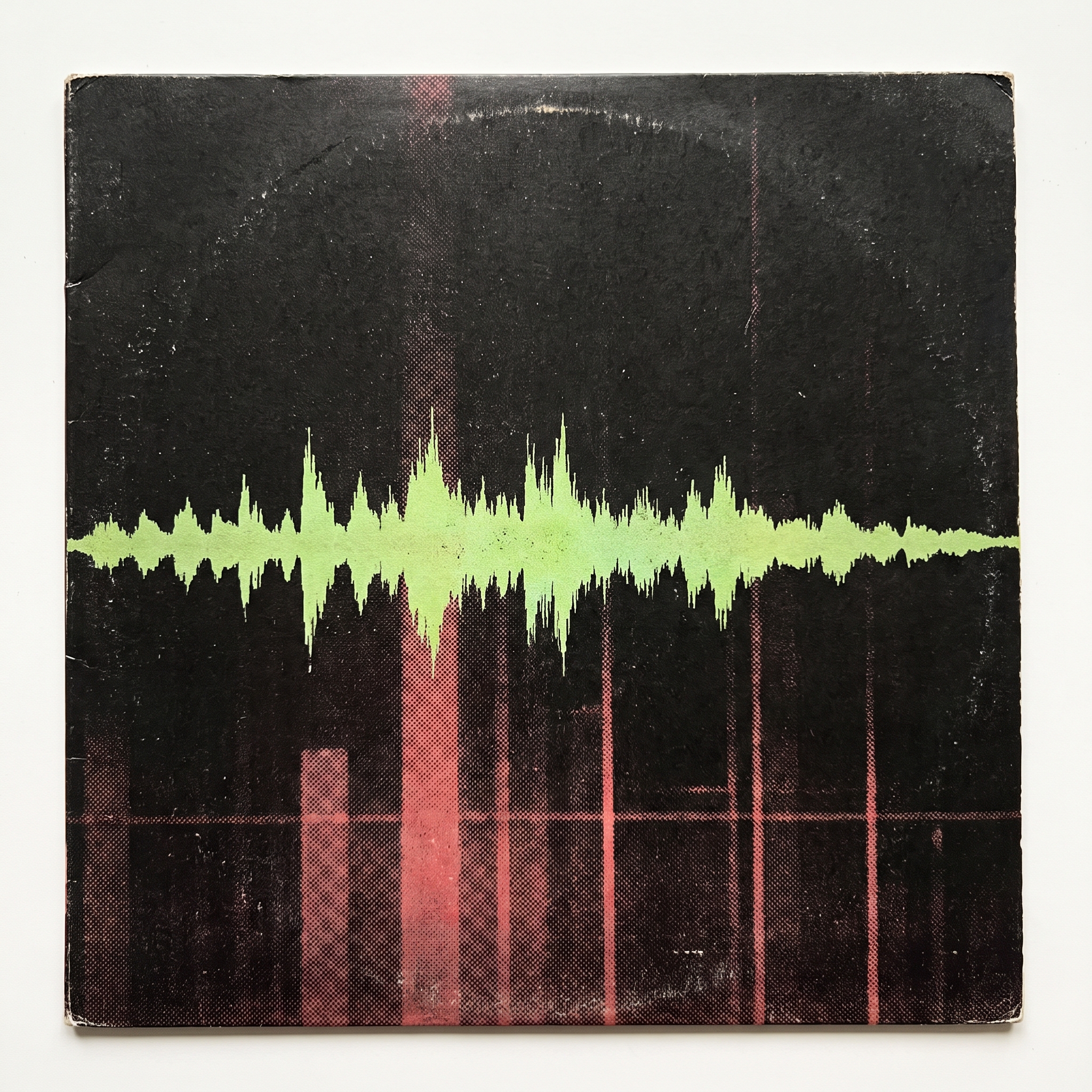
The Winstons were an American funk and soul group from Washington, D.C., best known for their 1969 single “Color Him Father,” which won the Grammy Award for Best Rhythm and Blues Recording that year. The B-side, “Amen, Brother,” is the source of the Amen Break — a six-second drum solo performed by the group’s drummer, Gregory Coleman, that became the most sampled loop in modern popular music and the rhythmic backbone of jungle.
Background
The group was formed by Richard L. Spencer, who had previously been a member of The Parliaments, the early George Clinton outfit that would eventually become Funkadelic and Parliament-Funkadelic. The Winstons recorded for the Metromedia Records label and toured widely in the late 1960s and early 1970s.
“Amen, Brother” and the break
“Amen, Brother” was written by Richard L. Spencer. The drummer on the session was Gregory Coleman. The break — four bars of swung, syncopated drums at around 1:27 into the track — was treated as an unremarkable B-side flourish at the time. It was lifted into hip-hop in the mid-1980s, then into rave and breakbeat hardcore around 1990, and by 1993 was a central rhythmic element of jungle.
Recognition and aftermath
Coleman died homeless in Atlanta in February 2006. In 2015 a crowdfunding campaign, the Amen Break Scholarship, raised money for his family and honoured his contribution to popular music. The full story of the Winstons and the break that outlived them is a reminder of how the music industry treats its raw material.
Leave a Reply